
03 September 2026
New federal investment in railroad crossing safety is a timely reminder that the biggest risk-reduction gains for crane and transport operators still come from planning, not infrastructure alone, Specialized Carriers & Rigging Association CEO Joel Dandrea comments.
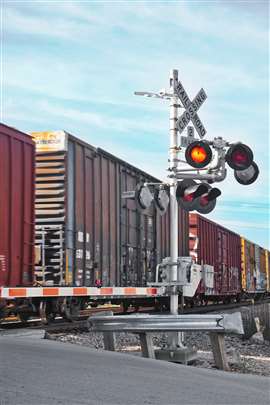
At first glance, the US Department of Transportation’s recent announcement of more than US$1 billion in railroad crossing safety investment may appear primarily aimed at motorists and local communities. In reality, it also serves as an important reminder for industries that routinely operate oversized equipment, heavy vehicles and specialized loads near active rail corridors.
According to federal data, more than 2,000 incidents and approximately 300 fatalities occur annually at railroad crossings throughout the USA. While many involve passenger vehicles, the consequences become significantly greater when commercial vehicles, construction equipment or specialized transport operations are involved.
Over the years the industry has witnessed multiple high-profile incidents involving cranes, heavy haul vehicles and other equipment operating on or near railroad property. In some cases the results have included significant equipment damage, service disruptions, environmental impacts and widespread media attention. More importantly, these incidents have reinforced a simple truth: railroad crossings represent one of the few places where a momentary lapse in planning can have immediate and severe consequences.
The federal funding programme is designed to address the problem through a variety of approaches. Projects may include grade separations that eliminate crossings altogether, upgraded warning systems, track relocations and public education efforts intended to improve awareness.
Strategic results
While these investments will improve safety over time, infrastructure improvements alone cannot eliminate every risk.
The challenge is not simply the crossing itself but the unique operating characteristics of the equipment involved. Mobile cranes, specialized trailers and oversized loads often require additional time and space to manoeuvre. Ground conditions, turning radius, escort requirements and traffic control measures can all influence how an operation approaches a crossing. What may be a routine movement for a passenger vehicle can become a carefully co-ordinated exercise when heavy equipment is involved.
That reality reinforces the importance of early co-ordination. Rail companies, contractors, transportation providers and project owners all have a role to play in identifying potential conflicts before work begins. The most successful operations are rarely the result of last-minute problem solving.
More often they reflect planning discussions that took place weeks or even months in advance, when route selections, staging areas and operating procedures could still be adjusted.
Productive reinforcement
Planning is the industry’s most effective safeguard. Route reviews, site assessments, permit co-ordination and communication with rail operators all play important roles in preventing incidents before they occur. For specialized transport providers, understanding crossing geometry, load clearances and vehicle capabilities is critical.
For crane operators and contractors working near rail corridors, maintaining situational awareness and following established procedures can mean the difference between a routine operation and a major incident.
To that end, the challenge is becoming more important as projects grow larger and logistics become more complex. Data centres, manufacturing facilities, energy projects and infrastructure improvements frequently require oversized loads and specialized lifting operations that intersect with rail networks. As freight volumes increase and construction activity expands, opportunities for conflict between project operations and rail traffic naturally increase as well.
The good news is that the industry already understands many of the solutions. Thorough planning, strong communication and a commitment to safety have long been hallmarks of successful crane and transport operations. The federal government’s investment reinforces the importance of those same principles.
At the end of the day railroad crossings are more than points where roads and tracks intersect. They are points where planning, awareness and execution must come together. While new infrastructure investments will help reduce risk, the greatest safety improvements will continue to come from the decisions made long before a truck approaches a crossing or a crane arrives on site.
STAY CONNECTED

Receive the information you need when you need it through our world-leading magazines, newsletters and daily briefings.
CONNECT WITH THE TEAM