Read this article in 中文 Français Deutsch Italiano Português Español
How pre-work signatures protect in heavy equipment rentals
Partner Content produced by KHL Content Studio
21 November 2025
When time is of the essence, foregoing the start/end paperwork might seem like a good idea. There are many reasons why you should resist the temptation…
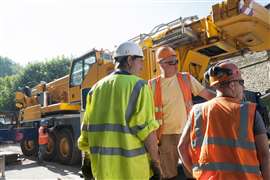
A crane operator shows up at a worksite, and no one seems to be where they need to be. Maybe there’s a worker shortage, or maybe an unexpected problem has pulled attention elsewhere.
Perhaps a deadline is approaching, and things have gotten hectic. The result is that the operator can’t easily find the relevant authority to sign off on starting work, and the clock is ticking.
When the pressure is on and frustration is rising, it’s tempting to skip the start/end paperwork. But doing so opens up your entire crane operation to a world of construction liability issues.
What are start & end signatures?
A start/end signature is when all parties sign off on a legal contract, acknowledging the beginning or end of a given work period and the obligations and conditions related to that work. With these signatures, all parties confirm that:
- The crane operator arrived on-site at the scheduled time.
- The customer is aware of the work commencing.
- The customer agrees with the tasks outlined for the day.
- Site conditions are acceptable for both parties at the time of arrival.
Confirming these factors helps protect owners and operators of cranes from liability, and also helps with crane risk mitigation.
There are four core benefits that crane rental start and end signatures provide to business owners and managers.
Liability protection
 Ryan Goebel, Software Advisor, Visual Dispatch
Liability protection means protection from being held legally and financially responsible if something goes wrong.
We spoke with Ryan Goebel, who was a crane rental project manager for 20 years and is now a software advisor with Visual Dispatch — part of the RapidWorks family. He’s seen firsthand how small documentation gaps can escalate into major disputes.
“Delivering projects on schedule is always a challenge and it’s understandable to think a missed signature doesn’t matter,” he says. “Unfortunately, that’s not the case – that single piece of documentation could be the difference between a smooth resolution and a costly dispute.
“Accurate, time-stamped records create clarity – not just for compliance, but for protecting everyone involved.”
Start/end signatures help provide rental crane liability protection in two ways:
- They are used to sign off on the actual site conditions present when the work commences. This affirms that both parties agreed that conditions were acceptable for beginning work. Signatures also help reduce the risk of the operator being held responsible for pre-existing conditions that end up causing delays or damage.
- They serve as an acknowledgment by the customer that all pre-operational checks and safety protocols were followed before work began. Signatures reduce the risk of liability claims if an incident occurs later because the customer agreed that the initial conditions were acceptable in writing.
Protection against future disputes
Disputes over who is responsible for mistakes, what your business is owed, etc., can take time to surface. Without documentation, it’s easy to forget the details of what actually happened. This loss of information can make it hard to argue your case, even if you are in the right. Start/end signatures help guard against this problem by:

- Preventing discrepancies in time logging. When both parties sign off on start and end times, they prevent future disagreements over the duration of any given work period and disputes over billing.
- Reducing the risk of fraudulent claims. Signatures can help protect your business against potential claims that the crane operator was negligent, or that they performed tasks not requested by the customer. They affirm the specific details of what was done and what time the work was completed. This strengthens your company’s legal standing if disputes about services arise after the project is completed.
Compliance with industry standards
In every industry, there are hoops that businesses are expected to jump through. Start and end signatures are such a hoop for the crane and rigging industry. Failing to secure them means failing to:
- Adhere to standard operating procedures (SOPs). Start/end signatures align with commonly accepted safety practices in the crane and rigging industry, specifically around work-start documentation. They also align with standard safety check practices and reinforce a company culture of due diligence and commitment to compliance standards.
- Secure protection in case of insurance claims. Securing a start/end signature helps provide key documentation to support your own insurance claims or mitigate your liability in the event of an accident or damage during the job. Start/end signature documentation affirms that all parties acknowledged that site conditions were acceptable at the start of operations.
Customer accountability
Holding customers accountable without damaging your relationship can be a tough needle to thread. Fortunately, signed documentation makes this process much simpler. It provides a single source of truth that can be immediately referred to, without argument or debate.
According to Goebel, “When both sides agree in writing that the site is ready and the work is defined, it keeps expectations aligned and drastically reduces the risk of misunderstandings later.”
The documentation helps support:
- Customer responsibility for site conditions. When the customer knows they must provide a start signature before every period of work, they know they are assuming responsibility for any site-related issues that could impact crane operation. This awareness can help prevent customers from making retroactive claims about unsuitable site conditions after work has begun.
- Transparency in communication. Consistent documentation outlining that all parties agree on the basic facts helps build a more transparent relationship. It empowers both parties to voice any concerns or objections promptly, in the interest of maintaining a clear record and avoiding later complications.

What could happen without start & end signatures?
At best, a lack of start and end signatures can leave rental crane businesses vulnerable to inaccuracies and frustrating disagreements with customers. The worst-case scenario is far more severe. In addition to leaving your business unprotected against insurance claims, it can also open the door to serious safety risks.
A key part of construction risk mitigation is communication. It’s important that all parties are aware of when, where, and how heavy equipment like cranes are being used. Without a consistent pattern of securing start/end signatures, it’s easy for that information to get lost or miscommunicated, elevating the overall risk of workplace accidents.
How to implement start & end signatures in your daily work procedures
If establishing a consistent start and end signature procedures is proving difficult, there are a few different strategies you can try.
If the problem lies with the crane operator, you can provide additional training about start and end procedures that emphasizes the importance of signatures. Securing signatures can also be incorporated into your standard clocking in/out procedures, providing both motivation and a reminder to complete this task.
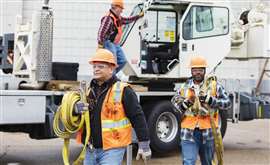
“Consistency is what builds a culture of safety and accountability,” says Goebel. “Whether you’re using digital tools or traditional paperwork, the key is making sign-offs a natural and automatic part of daily site routines.”
- If, however, the difficulty lies more with the customer, that can require a bit more nuance to address without ruffling any feathers.
- If the problem is that they’re busy, then pre-establishing when and where the signing needs to take place can help ensure that enough time gets set aside.
- If the problem is a lack of understanding about the importance of securing these signatures, it may help to have a face-to-face conversation about the subject. Use this meeting to emphasize the integral role signatures play in protecting both parties from future liability.
- If the problem is outright evasiveness or distrust of the process, scheduling a meeting to explain how start/end signatures fit with industry standards may help the customer feel more confident that these signatures are routine and part of sound, safe construction practices.
Simply safeguarding
When project deadlines squeeze, the temptation is to overlook what feels like a minor administrative step.
It’s worth remembering though, that start/end signatures are a very simple tool that can safeguard crane operators, customers and business owners by ensuring accountability, transparency and compliance throughout a project.
Making these signatures a must-have in your workflow will reduce legal and financial risks but also strengthen trust, communication and professionalism on every job site.
--------
This article was produced by RapidWorks in collaboration with KHL Content Studio
--------
All images for the article, courtesy of RapidWorks
--------
STAY CONNECTED


Receive the information you need when you need it through our world-leading magazines, newsletters and daily briefings.
CONNECT WITH THE TEAM